

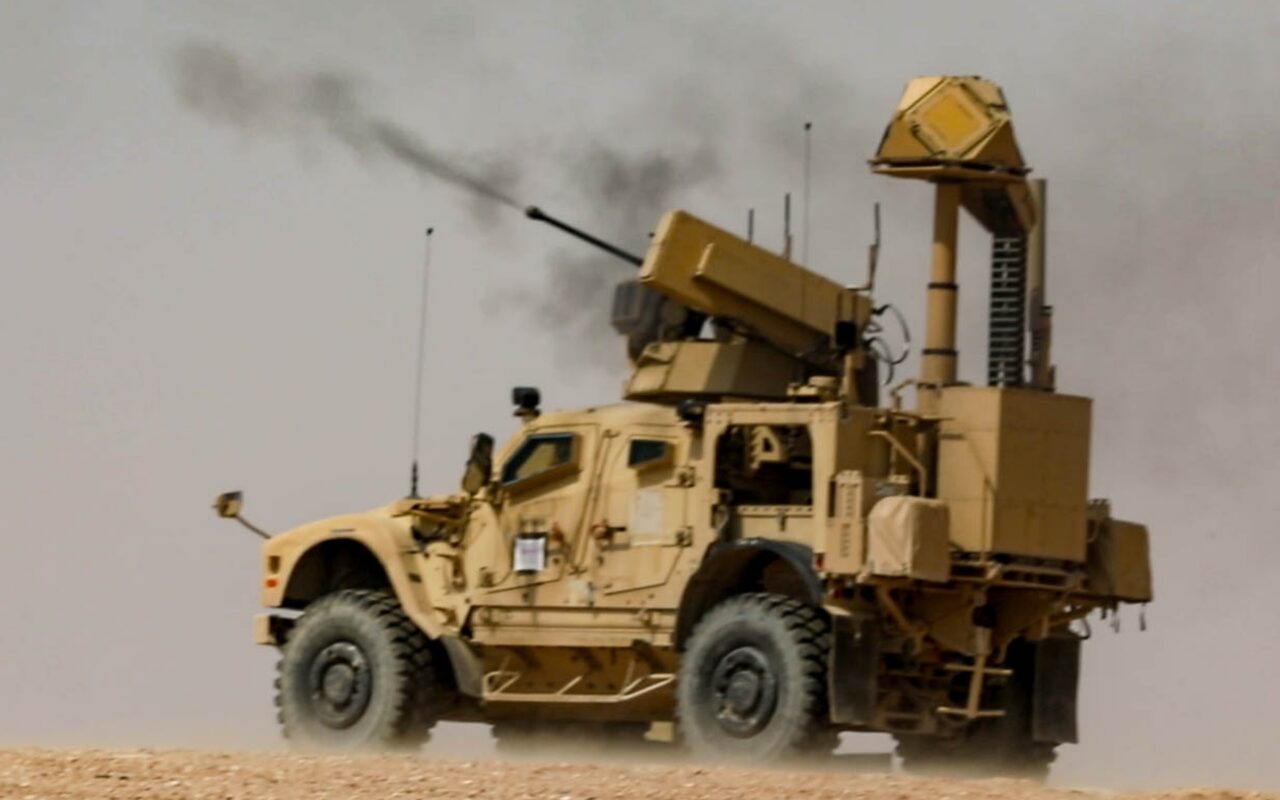
For the last decade, air defense doctrine has quietly absorbed a math problem it was never designed to solve. A commercial quadcopter that costs less than a mid-range laptop can force a defender to expend an interceptor worth a hundred times more — sometimes a thousand times more. Multiply that across a swarm of a dozen low-cost drones, and the economics stop making sense entirely.
This is the asymmetric cost problem, and it is reshaping how militaries, homeland security agencies, and critical infrastructure operators think about air defense.
Why Legacy Systems Struggle
Traditional air defense — Patriot batteries, THAAD, and similar high-value missile systems — were built to intercept crewed aircraft, cruise missiles, and ballistic threats. These are exactly the right tools for exactly those problems. But a Group 1 or Group 2 unmanned aerial system flying at low altitude, low speed, and low radar cross-section is a fundamentally different threat category. Using a million-dollar interceptor against a $500 drone isn’t just expensive — it’s operationally unsustainable at scale. No defense budget, however large, can support that ratio indefinitely, especially as swarm tactics become more common and more accessible to state and non-state actors alike.
Restoring the Math
The answer isn’t a smaller missile bolted onto the same acquisition and production model. It’s a complete rethink of what “cost-effective” means for counter-UAS defense. That means engineering interceptors with a genuine path to sub-$10,000 production costs — and, at volume, sub-$5,000 — without compromising precision, reliability, or terminal guidance performance.
This is where kinetic defeat mechanisms paired with a Modular Open Systems Approach (MOSA) start to matter. A system built this way doesn’t just lower the cost per engagement — it changes the strategic calculus entirely. Defenders can afford to engage every threat in a swarm, rather than rationing exquisite interceptors against the highest-priority targets and hoping the rest miss.
What This Means Going Forward
As small UAS threats continue to proliferate — cheap to acquire, easy to modify, and increasingly autonomous themselves — the defense industry faces a choice: keep fighting an economically losing battle with legacy systems, or invest in a new generation of low-cost, high-performance kinetic defense purpose-built for this threat class.
The organizations that make that shift early won’t just save money. They’ll maintain tactical relevance in a threat environment that isn’t slowing down.